- Home
- About Us
- Products
- Plastic Stirring Dryer
- Weighing Baler
- Plastic Crusher
- Waste Shredder Recycling Machine
- Industrial Chiller
- Mold Temperature Machine
- Feeding Conveyor
- Plastic Dryer Machine
- Screening Machine
- Film Granulator
- Other Plastic Auxiliary Equipment
- Extrusion Granulation Automation System
- Complete Automation System for Injection Molding
- Cases
- News
- Download
- Send Inquiry
- Contact Us

What Are Quantitative Weighing Balers and How Do They Improve Efficiency
Article Summary: In the modern industrial world, efficiency is key. Quantitative weighing balers are machines that play a crucial role in material handling and waste management. This blog explores the significance of quantitative weighing balers, their working mechanism, and their benefits in various sectors. We also highlight how choosing the right baler can help businesses achieve better productivity and cost-effectiveness.
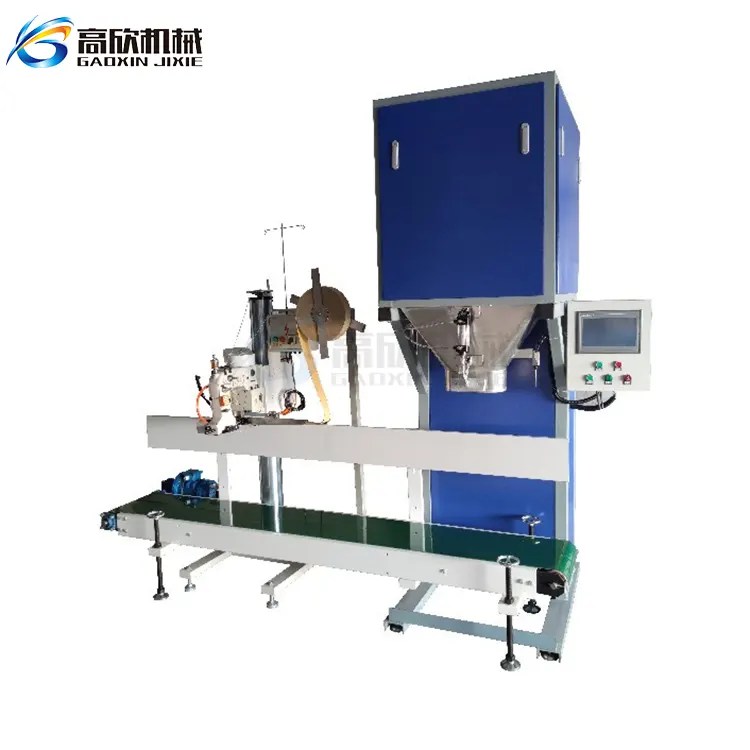
Table of Contents
- Introduction to Quantitative Weighing Balers
- How Do Quantitative Weighing Balers Work?
- Benefits of Quantitative Weighing Balers
- Applications of Quantitative Weighing Balers
- How to Choose the Right Quantitative Weighing Baler
- FAQ
Introduction to Quantitative Weighing Balers
In today's industrial landscape, the demand for efficient waste management and material handling systems has risen significantly. Among these systems, quantitative weighing balers have become essential tools for companies looking to streamline their processes. These balers are designed to compact materials into uniform bales while also measuring their weight accurately. This process not only improves the efficiency of operations but also contributes to environmental sustainability.
Gaoxin offers state-of-the-art quantitative weighing balers that cater to various industries, providing them with precise control over the material baling process. But how do these machines work, and what benefits do they offer? Let's dive deeper into these questions.
How Do Quantitative Weighing Balers Work?
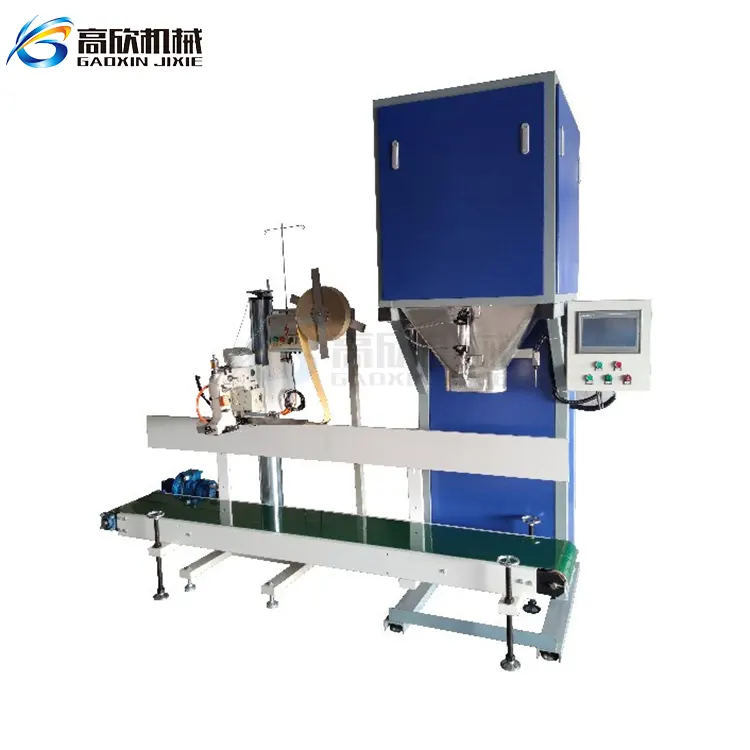
Quantitative weighing balers are equipped with advanced sensors and control systems that allow them to weigh materials accurately during the baling process. The process typically follows these steps:
- Material Feeding: The material is fed into the baler through a hopper or conveyor system.
- Weighing: The built-in weighing mechanism measures the weight of the material before baling.
- Baling: Once the material reaches the desired weight, the machine automatically compresses it into a tight, uniform bale.
- Discharge: The finished bale is then ejected, ready for further handling, storage, or transport.
The precision in weight measurement ensures that businesses can optimize their operations, reduce material waste, and maintain consistency in output. Gaoxin's balers are designed to handle a wide range of materials, from cardboard to plastic, and provide accurate results with every cycle.
Benefits of Quantitative Weighing Balers
Quantitative weighing balers offer numerous advantages that make them a smart investment for businesses. Below are some of the key benefits:
| Benefit | Description |
|---|---|
| Improved Efficiency | The automation of weighing and baling reduces the time and labor required, making the process faster and more efficient. |
| Cost Savings | By optimizing material handling, companies can reduce waste and minimize costs associated with disposal or recycling. |
| Consistent Output | Accurate weighing ensures consistent bale size and weight, leading to better storage, transport, and recycling processes. |
| Environmental Impact | By compacting waste materials, balers reduce the volume of waste, which in turn supports sustainability efforts by making recycling easier. |
With these benefits, quantitative weighing balers have become indispensable for industries looking to improve both their operational efficiency and environmental footprint.
Applications of Quantitative Weighing Balers
Quantitative weighing balers are used in a variety of industries. Some common applications include:
- Recycling: Compacting recyclable materials like paper, plastic, and metal for easier transportation and processing.
- Waste Management: Reducing the volume of waste generated by businesses, making disposal more cost-effective.
- Retail: Compaction of packaging materials and waste in retail environments, such as cardboard and plastic.
- Manufacturing: Handling industrial waste from manufacturing processes, such as scrap metal and plastic components.
Gaoxin’s advanced quantitative weighing balers are well-suited for these applications, providing robust and reliable solutions for various industries.
How to Choose the Right Quantitative Weighing Baler
When selecting a quantitative weighing baler, there are several factors to consider to ensure it meets your needs:
- Material Type: Ensure that the baler is compatible with the type of material you will be processing, such as cardboard, plastic, or metal.
- Weight Capacity: Choose a baler that can handle the desired weight range of materials to ensure efficiency.
- Automation Features: Look for balers with automated controls and sensors to ensure accuracy and ease of operation.
- Size and Space: Consider the space available in your facility and select a baler that fits comfortably within the designated area.
Gaoxin offers a range of quantitative weighing balers designed to cater to various requirements, ensuring that you get the best machine for your specific needs.
FAQ
Q1: What materials can be processed by a quantitative weighing baler?
A1: Quantitative weighing balers can handle a wide range of materials, including paper, cardboard, plastics, textiles, and metals.
Q2: How accurate are the weight measurements of a quantitative weighing baler?
A2: Gaoxin's balers are equipped with advanced weighing mechanisms that ensure high accuracy, providing precise measurements within a very small margin of error.
Q3: Can quantitative weighing balers be used in high-volume operations?
A3: Yes, these balers are designed to handle high-volume operations, offering fast cycle times and reliable performance even in demanding environments.
Q4: What maintenance is required for a quantitative weighing baler?
A4: Regular maintenance includes cleaning, lubrication of moving parts, and periodic checks of sensors and controls to ensure optimal performance.
Contact Gaoxin: If you're interested in learning more about our quantitative weighing balers or how they can improve your operations, feel free to contact us today!
Related News
- Smart Conveying, Empowering Efficient Production - Your Dedicated Screw Conveyor Solutions Expert
- Turning waste into treasure, turning stone into gold—opening a new era of profitability and green development for PET recycling.
- Vertical Plastic Mixers: Empowering Precision Mixing, Setting a New Benchmark in Intelligent Plastic Manufacturing
- Reclaim the value of your plastic waste with the Gaoxin Plastic Shredder—the ultimate solution for efficient recycling
- Weighing Baler: How It Works and Why It Matters for Modern Recycling Operations
- Waste Shredder Recycling Machine: A Practical Selection & Implementation Guide — From Principle to On-Site Solutions
Leave me a message