- Home
- About Us
- Products
- Plastic Stirring Dryer
- Weighing Baler
- Plastic Crusher
- Waste Shredder Recycling Machine
- Industrial Chiller
- Mold Temperature Machine
- Feeding Conveyor
- Plastic Dryer Machine
- Screening Machine
- Film Granulator
- Other Plastic Auxiliary Equipment
- Extrusion Granulation Automation System
- Complete Automation System for Injection Molding
- Cases
- News
- Download
- Send Inquiry
- Contact Us

What Are The Maintenance Requirements For a Film Granulator?
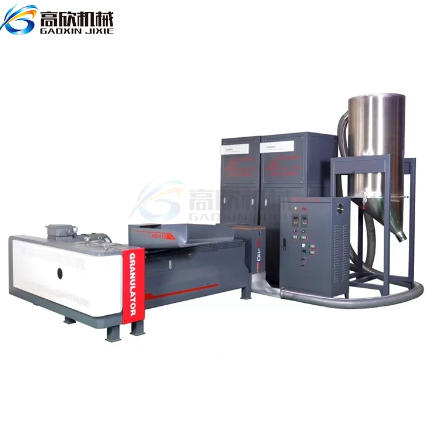
Ensuring optimal performance and long-term efficiency of a Film Granulator requires a thorough understanding of proper maintenance techniques. Dongguan Gaoxin Machinery Co., Ltd. specializes in high-quality Film Granulators designed for industrial applications. Our factory produces machines that combine durability, reliability, and user-friendly maintenance features. In this article, we provide a detailed guide to maintaining your Film Granulator effectively.
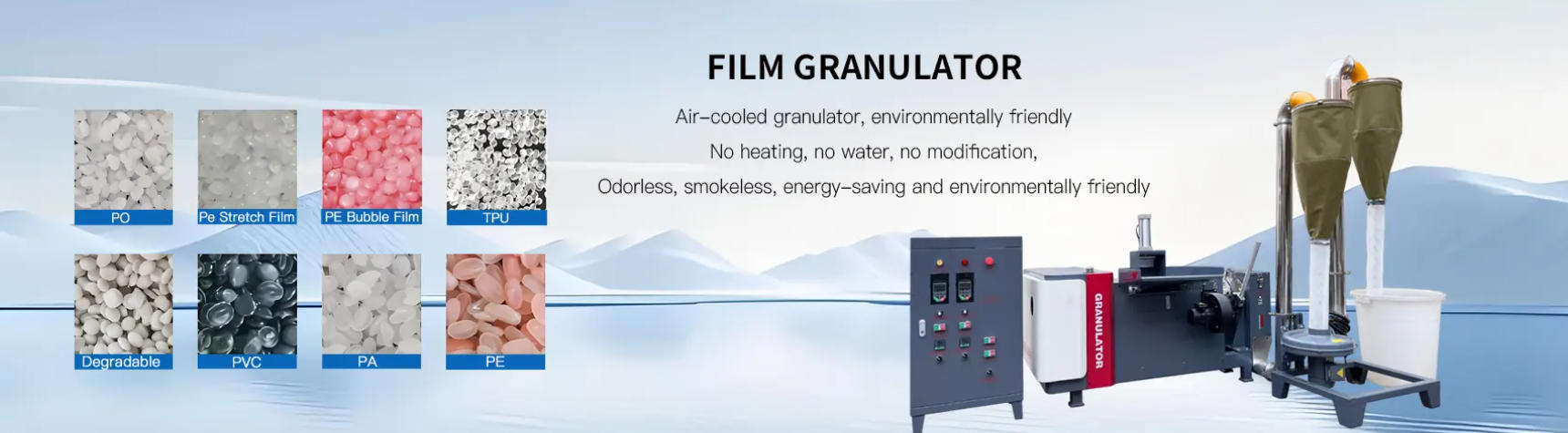
Table of Contents
- What Are the Key Maintenance Tasks for a Film Granulator?
- How Can You Ensure Proper Lubrication and Part Inspection?
- Why Is Regular Cleaning Essential for Performance?
- What Are the Electrical and Control System Maintenance Requirements?
- How Can You Extend the Service Life of Your Film Granulator?
- Summary
- FAQ
What Are the Key Maintenance Tasks for a Film Granulator?
Our Film Granulator is designed for continuous industrial use. However, optimal performance depends on a structured maintenance schedule. Key tasks include routine inspection, lubrication, cleaning, and timely replacement of worn parts. By adhering to these practices, our clients can ensure the machine operates efficiently and reliably over its lifecycle.
Routine Inspection
- Check the condition of the cutting blades and screen plates daily to prevent uneven granulation.
- Inspect the feeding system for blockages or wear to maintain uniform material flow.
- Verify the stability of the motor and drive components to prevent operational vibrations.
- Examine the granulator frame and connections to identify potential mechanical stress points.
Lubrication
- Our Film Granulator requires regular lubrication of bearings, shafts, and gear systems.
- Use manufacturer-recommended lubricants to avoid contamination or excessive wear.
- Schedule lubrication weekly for high-use operations or more frequently for 24/7 production lines.
- Maintain a log of lubrication activities to track performance over time.
Replacement of Wear Parts
- Cutting blades and screen plates typically require replacement after a defined number of operational hours depending on material type.
- Ensure that spare parts from our factory are used to maintain compatibility and performance.
- Regularly check the integrity of seals and gaskets to prevent leakage and material contamination.
| Component | Maintenance Interval | Recommended Action |
| Cutting Blades | Every 500 operational hours | Inspect for wear, sharpen or replace |
| Screen Plate | Every 600 operational hours | Replace if granulation is uneven |
| Bearings | Monthly | Clean and lubricate |
| Drive Belt | Quarterly | Check tension, adjust or replace if worn |
How Can You Ensure Proper Lubrication and Part Inspection?
Proper lubrication and thorough inspection are critical to prolonging the service life of our Film Granulator. At our factory, we implement a standardized procedure for these tasks to ensure consistency and efficiency.
Step-by-Step Lubrication Procedure
- Identify all lubrication points on the machine, including bearings, shafts, and gears.
- Clean each point to remove dust and residue.
- Apply the recommended lubricant evenly, ensuring no excess material enters the granulation chamber.
- Rotate moving parts manually to distribute lubricant thoroughly.
- Record each maintenance activity in the machine logbook for traceability.
Inspection of Critical Parts
- Daily visual inspection for cracks or deformation in cutting blades and screen plates.
- Check the motor and drive alignment weekly to prevent unnecessary vibration.
- Measure wear levels on bearings and replace before performance is compromised.
- Inspect the feeding system for buildup or blockage, particularly when processing sticky or heat-sensitive films.
| Part | Inspection Frequency | Maintenance Action |
| Cutting Blades | Daily | Check for chipping or dullness, replace if necessary |
| Bearings | Weekly | Measure wear, lubricate, replace if needed |
| Feeding System | Daily | Remove blockages, clean residue |
| Motor Alignment | Weekly | Adjust alignment to reduce vibration |
Why Is Regular Cleaning Essential for Performance?
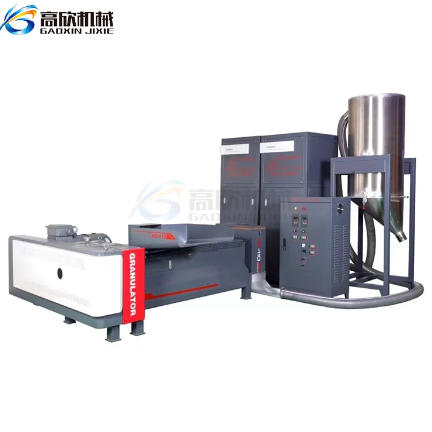
Regular cleaning of our Film Granulator is a critical component of ensuring consistent operational efficiency, maintaining product quality, and extending the service life of the machine. At Dongguan Gaoxin Machinery Co., Ltd., we emphasize the importance of cleaning not only to preserve the mechanical integrity of our Film Granulator but also to prevent material contamination and production downtime. Neglecting cleaning can lead to accumulation of residual film particles, dust, or adhesive residues, which can impair granulation efficiency and cause damage to sensitive components.
Benefits of Regular Cleaning
- Improved Granulation Quality: Residual material buildup on cutting blades, screen plates, and the feeding system can lead to uneven granulation or clumping. Our regular cleaning ensures that every granule is uniform in size, which is essential for downstream processing and consistent product quality.
- Reduced Wear on Moving Parts: Dust and film residues act as abrasive elements within the cutting chamber. By cleaning these residues regularly, our Film Granulator experiences less mechanical wear, reducing the frequency of part replacement and minimizing long-term maintenance costs.
- Prevention of Contamination: In industries where different types of films are processed, cross-contamination can occur if the machine is not thoroughly cleaned. Our cleaning protocols prevent contamination, ensuring that each batch meets strict quality and safety standards.
- Maintained Operational Efficiency: Accumulated debris in the feeding system or discharge chute can cause blockages, leading to inconsistent feed rates and reduced productivity. Regular cleaning prevents interruptions and maintains smooth operation of the granulator.
- Enhanced Safety: Residual materials around moving components can increase the risk of mechanical jamming or overheating. A clean Film Granulator reduces such risks, creating a safer work environment for operators in our factory.
Recommended Cleaning Practices
Our factory recommends a structured cleaning routine, divided into daily, weekly, and monthly tasks, to ensure the machine remains in optimal condition. Following these steps not only preserves machine functionality but also allows operators to detect potential issues early.
Daily Cleaning
- Remove residual film material from the cutting chamber, blades, and screen plates.
- Use non-abrasive brushes and tools to avoid damaging stainless steel surfaces.
- Wipe down the feeding system and discharge chute to ensure smooth material flow for the next production cycle.
- Check for any small pieces of material lodged between components and remove them immediately.
Weekly Cleaning
- Perform a more thorough disassembly of parts such as the cutting blades, screen plates, and feeding hopper for deep cleaning.
- Inspect all removed parts for wear or corrosion, replacing any components that show signs of damage.
- Clean and inspect the motor housing and drive system to remove dust and prevent buildup that could cause overheating.
- Sanitize surfaces if the Film Granulator is used for processing food-grade or sensitive materials, following industry standards.
Monthly Cleaning
- Conduct a complete system check, including electrical panels, sensor areas, and safety interlocks, while performing cleaning around these components.
- Lubricate moving parts after cleaning to restore proper functionality.
- Perform a visual inspection of the machine frame and support structure, checking for dust accumulation or corrosion in hidden areas.
- Document the cleaning process in the maintenance log to maintain a clear record of all activities.
Tools and Cleaning Materials
Using the correct tools and materials is essential for maintaining the integrity of our Film Granulator. Recommended items include:
- Non-abrasive brushes for scraping and dust removal.
- Soft cloths for wiping sensitive surfaces.
- Industrial-grade cleaning agents compatible with stainless steel components.
- Compressed air for removing fine particles from tight spaces.
- Sanitizing solutions when processing food or pharmaceutical-grade materials.
Cleaning Safety Precautions
While cleaning is essential, it must be performed with proper safety measures to avoid accidents and equipment damage:
- Always disconnect the Film Granulator from power before beginning cleaning.
- Wear appropriate personal protective equipment such as gloves, goggles, and protective clothing.
- Handle blades and sharp components carefully to prevent injury.
- Avoid using water or liquids on electrical components to prevent short circuits or corrosion.
- Follow manufacturer guidelines for cleaning chemical usage and disposal.
Impact on Long-Term Performance
Our consistent cleaning practices directly influence the long-term performance and durability of the Film Granulator. Machines that are regularly cleaned experience less wear, maintain better granulation consistency, and reduce the risk of unexpected breakdowns. Furthermore, a clean machine facilitates more effective lubrication and inspection processes, creating a positive maintenance cycle that supports the longevity of critical components. By investing time in routine cleaning, our clients maximize uptime, maintain high-quality output, and reduce the overall cost of ownership.
| Cleaning Frequency | Key Tasks | Expected Benefits |
| Daily | Remove residue from blades, screen plates, feeding system | Prevents material buildup, maintains granulation quality |
| Weekly | Deep clean disassembled parts, inspect for wear | Reduces mechanical wear, ensures smooth operation |
| Monthly | Full system cleaning, inspect electrical and mechanical components | Extends service life, prevents contamination, ensures safety |
In conclusion, regular cleaning is a cornerstone of maintaining the performance and reliability of our Film Granulator. Dongguan Gaoxin Machinery Co., Ltd. provides detailed cleaning protocols to ensure operators can maintain machines efficiently while minimizing downtime and ensuring consistent product quality. By adhering to these cleaning practices, our clients can achieve maximum productivity, reduced maintenance costs, and a safer operational environment.
What Are the Electrical and Control System Maintenance Requirements?
The electrical and control systems of our Film Granulator are critical for ensuring safe, precise, and efficient operation. At Dongguan Gaoxin Machinery Co., Ltd., we design our Film Granulators with advanced control panels, sensors, and safety interlocks to optimize performance. However, regular maintenance of these systems is essential to prevent downtime, extend service life, and maintain production quality. Proper attention to electrical components reduces the risk of unexpected failures, operational errors, and safety hazards.
Importance of Electrical and Control System Maintenance
- Safety Assurance: Regular inspection of wiring, sensors, and control panels ensures that all safety interlocks and emergency stop functions operate correctly, reducing the risk of accidents during operation.
- Consistent Performance: Properly maintained electrical components ensure that our Film Granulator operates with precise control over cutting speed, feeding rate, and granulation consistency.
- Minimized Downtime: Proactive maintenance helps detect potential faults before they become major issues, avoiding production interruptions and costly repairs.
- Extended Service Life: Well-maintained control systems prevent overheating, electrical surges, and component degradation, increasing the longevity of the machine.
- Energy Efficiency: Clean and properly calibrated control systems optimize motor performance and reduce energy consumption during operation.
Recommended Inspection and Maintenance Practices
Our factory recommends a structured maintenance schedule that includes daily, weekly, and monthly checks to maintain the integrity of electrical and control systems. By following these steps, operators can ensure reliable operation and prevent premature wear or failure.
Daily Checks
- Visually inspect wiring for signs of damage, fraying, or loose connections.
- Ensure that indicator lights, control buttons, and display screens are functioning properly.
- Verify that emergency stop buttons and safety interlocks respond immediately when activated.
- Check for unusual noises or vibrations in motor operation that may indicate electrical issues.
- Maintain a log of daily inspections for traceability and accountability.
Weekly Maintenance
- Test the accuracy of sensors that monitor temperature, speed, and material feed rate.
- Inspect control panels for dust accumulation or moisture, which could cause short circuits or corrosion.
- Check the grounding of the machine and verify proper insulation resistance.
- Examine electrical connectors and terminals for secure attachment and absence of oxidation.
- Record any abnormalities or repairs in the maintenance log to track trends over time.
Monthly Maintenance
- Perform a detailed inspection of the entire control system, including relays, fuses, contactors, and PLC components.
- Clean the interior of the control panel using compressed air to remove dust particles without damaging sensitive components.
- Check for software updates or calibration requirements in advanced control systems, if applicable.
- Inspect cable management systems to ensure wires are properly organized and not subject to wear or pinching.
- Test the performance of the motor control system under various operational loads to ensure consistent output.
Common Electrical Issues and Preventive Measures
- Overheating: Caused by dust accumulation, loose connections, or overloading. Preventive cleaning and load monitoring can avoid this problem.
- Short Circuits: Often result from moisture or damaged insulation. Regular inspections and maintaining a dry environment reduce risks.
- Sensor Malfunction: Can lead to inaccurate operation or production errors. Weekly testing and cleaning of sensor surfaces prevent false readings.
- Loose Connections: Lead to intermittent operation or sparks. Tightening terminals during routine checks ensures reliable electrical flow.
- Control Panel Failure: May result from accumulated dust or degraded components. Monthly cleaning and timely replacement of worn parts maintain system integrity.
Recommended Tools and Safety Measures
Maintaining electrical and control systems requires proper tools and safety protocols to avoid accidents and equipment damage:
- Use insulated screwdrivers and pliers when working on live or partially energized circuits.
- Employ multimeters to test voltage, current, and resistance across components.
- Compressed air for dust removal in control panels without introducing moisture.
- Wear appropriate personal protective equipment such as gloves, goggles, and anti-static wrist straps.
- Always disconnect the main power supply before performing detailed maintenance on electrical components.
- Follow manufacturer guidelines strictly when replacing fuses, relays, or other sensitive devices.
Impact on Long-Term Performance
Proper electrical and control system maintenance directly affects the long-term performance of our Film Granulator. Machines with regular preventive care experience fewer unexpected failures, maintain stable granulation quality, and operate more efficiently. By identifying potential issues early, our operators can schedule repairs or replacements during planned downtime, avoiding disruption to production lines. Additionally, regular maintenance ensures that safety mechanisms function correctly, reducing the likelihood of operator injury and protecting our investment in high-quality Film Granulators from Dongguan Gaoxin Machinery Co., Ltd.
| Maintenance Frequency | Key Tasks | Expected Benefits |
| Daily | Visual inspection of wiring, test emergency stop, check indicators | Ensures safe operation, immediate detection of faults |
| Weekly | Sensor accuracy check, inspect control panels, grounding verification | Prevents performance inconsistencies, reduces downtime |
| Monthly | Full control system inspection, clean panel interior, test motor under load | Extends service life, improves operational efficiency, prevents failures |
In conclusion, maintaining the electrical and control systems of our Film Granulator is essential for ensuring safety, consistent performance, and long-term durability. By adhering to structured daily, weekly, and monthly maintenance routines, our clients can avoid unexpected downtime, enhance operational efficiency, and protect the investment in our high-quality machines. Dongguan Gaoxin Machinery Co., Ltd. provides detailed guidance and support to help operators implement these maintenance procedures effectively, maximizing productivity and ensuring reliable operation for years to come.
How Can You Extend the Service Life of Your Film Granulator?
Extending the service life of our Film Granulator is a priority for every operator and production manager at Dongguan Gaoxin Machinery Co., Ltd. While our Film Granulator is designed for durability and high-performance operation, its longevity depends largely on proper usage, timely maintenance, and adherence to operational best practices. By combining proactive maintenance with correct operational procedures, users can maximize productivity, reduce downtime, and protect their investment.
Understanding Key Factors Affecting Service Life
- Material Type and Quality: Different film materials vary in hardness, thickness, and stickiness. Using inappropriate materials or contaminated feedstock can accelerate wear on blades, screens, and feeding components. Our Film Granulator is optimized for a wide range of films, but selecting the right materials ensures consistent performance and reduces unnecessary strain.
- Operational Practices: Overloading, improper feeding, and excessive operational speed can lead to mechanical stress and premature wear. Proper operator training and adherence to recommended operational parameters from our factory help minimize these risks.
- Environmental Conditions: Excessive humidity, dust, or temperature fluctuations can impact both mechanical and electrical components. Maintaining a clean and controlled environment in the production area helps protect the machine and prolongs its service life.
- Maintenance Schedule: Regular cleaning, lubrication, inspection, and replacement of worn parts form the backbone of long-term reliability. Consistent adherence to maintenance protocols ensures that our Film Granulator operates at peak efficiency.
Best Practices for Extending Service Life
1. Routine Maintenance
Our factory recommends a structured maintenance routine that includes daily, weekly, and monthly tasks. Performing these activities consistently prevents excessive wear and ensures smooth operation.
- Daily inspection and cleaning of blades, screens, feeding system, and discharge chute.
- Weekly lubrication of bearings, shafts, and gears to reduce friction.
- Monthly inspection of electrical and control systems to prevent faults and maintain accuracy.
- Timely replacement of worn or damaged components with genuine parts from our factory.
2. Proper Operational Handling
Operators play a crucial role in preserving machine longevity. Implementing the following practices reduces unnecessary stress on the granulator:
- Feed materials at recommended rates to avoid overloading the cutting chamber.
- Monitor motor load and avoid running the machine at maximum capacity for prolonged periods.
- Follow proper start-up and shutdown procedures to protect the drive system and electrical components.
- Ensure that operators are trained to recognize early signs of wear, such as unusual noise, vibration, or inconsistent granulation.
3. Environmental Control
The operational environment significantly affects the Film Granulator’s lifespan. Key environmental considerations include:
- Maintain a dust-free production area to reduce contamination and abrasive wear.
- Control ambient temperature and humidity to prevent condensation, corrosion, or thermal stress.
- Ensure proper ventilation around the machine to dissipate heat generated during operation.
- Keep surrounding areas clean to prevent foreign materials from entering the machine and damaging internal components.
4. Predictive Maintenance
Beyond routine tasks, implementing predictive maintenance strategies can further extend the service life of our Film Granulator. Using operational data, our factory can help clients anticipate potential issues before they escalate:
- Monitor vibration, noise, and temperature data to detect early signs of bearing or motor wear.
- Track granulation consistency to identify screen or blade deterioration.
- Analyze motor current and voltage patterns to predict electrical system issues.
- Schedule component replacements during planned downtime to avoid unexpected production interruptions.
Use of Genuine Spare Parts
Using genuine parts from Dongguan Gaoxin Machinery Co., Ltd. is essential for maintaining optimal performance and extending service life. Counterfeit or incompatible components may not match the mechanical tolerances or electrical specifications of our Film Granulator, leading to premature wear, performance degradation, and safety risks. Our factory ensures all replacement parts meet stringent quality standards for compatibility and durability.
Operator Training and Documentation
Proper training and documentation are crucial for extending service life. Our factory provides detailed operational manuals and maintenance guidelines to ensure operators understand correct procedures. Key recommendations include:
- Maintain a detailed log of maintenance activities, including inspections, cleaning, lubrication, and part replacements.
- Train staff on safe operation, proper feeding techniques, and emergency response procedures.
- Educate operators on recognizing early signs of wear or electrical faults to prevent escalation.
- Ensure that new operators are supervised until they demonstrate proficiency in operating and maintaining the granulator.
Impact on Production Efficiency and Cost Savings
By extending the service life of our Film Granulator through diligent maintenance, proper operation, and environmental control, users achieve several tangible benefits:
- Reduced frequency of repairs and part replacements, lowering maintenance costs.
- Minimized unplanned downtime, increasing overall production output.
- Consistent product quality due to reliable granulation performance.
- Long-term return on investment through sustained machine performance.
- Enhanced safety and reduced risk of operator injury due to well-maintained equipment.
| Practice | Action | Benefit |
| Routine Maintenance | Daily, weekly, monthly cleaning and inspections | Reduces wear, ensures smooth operation |
| Proper Operation | Follow feeding rates, start/stop procedures | Prevents mechanical stress and premature failure |
| Environmental Control | Maintain dust-free, temperature-controlled environment | Reduces contamination, corrosion, and overheating |
| Predictive Maintenance | Monitor vibration, noise, temperature, and motor data | Detects issues early, prevents unexpected downtime |
| Use of Genuine Parts | Replace components with factory-approved parts | Ensures compatibility and longevity |
| Operator Training | Educate operators on handling, inspection, and emergency procedures | Enhances safety and proper machine use |
In conclusion, the service life of our Film Granulator from Dongguan Gaoxin Machinery Co., Ltd. can be maximized through a combination of proper maintenance, operational discipline, environmental control, predictive monitoring, and use of genuine parts. By implementing these strategies, our clients can ensure consistent, high-quality production while minimizing downtime and operational costs. Our factory is committed to providing guidance, support, and high-quality replacement parts to help every operator achieve the maximum longevity of their Film Granulator.
Summary
Our Film Granulator from Dongguan Gaoxin Machinery Co., Ltd. is engineered for reliable, long-term performance. Through structured maintenance routines, regular inspections, proper lubrication, and timely cleaning, our machines maintain peak efficiency and reduce downtime. By following these guidelines, our clients can maximize productivity and extend the service life of their granulators. Contact our factory today to learn more about our Film Granulator solutions and receive expert guidance for your maintenance requirements.
FAQ: What Are The Maintenance Requirements For a Film Granulator?
Q1: How often should the cutting blades of a Film Granulator be replaced?
A1: The cutting blades should be inspected daily and replaced approximately every 500 operational hours or when they show signs of chipping or dullness. Using genuine parts from our factory ensures consistent granulation quality.
Q2: What type of lubricant is recommended for the Film Granulator?
A2: Our factory recommends using manufacturer-approved lubricants for bearings, shafts, and gears. Regular lubrication helps reduce friction, prevent wear, and maintain smooth operation.
Q3: How should the electrical components be maintained?
A3: Inspect wiring, sensors, and control panels monthly for damage or wear. Ensure safety interlocks and emergency stops are functional, and replace any faulty parts with original components from our factory.
Q4: Is daily cleaning necessary for the Film Granulator?
A4: Yes, daily cleaning prevents material buildup, reduces contamination risk, and ensures uniform granulation. Our Film Granulator is designed for easy cleaning without full disassembly.
Q5: How can operational staff help extend the machine’s life?
A5: Proper training in handling, feeding procedures, and maintenance routines, along with adherence to the recommended schedule, ensures safe operation and prolongs the service life of the granulator.
Related News
- Smart Conveying, Empowering Efficient Production - Your Dedicated Screw Conveyor Solutions Expert
- Turning waste into treasure, turning stone into gold—opening a new era of profitability and green development for PET recycling.
- Vertical Plastic Mixers: Empowering Precision Mixing, Setting a New Benchmark in Intelligent Plastic Manufacturing
- Reclaim the value of your plastic waste with the Gaoxin Plastic Shredder—the ultimate solution for efficient recycling
- Weighing Baler: How It Works and Why It Matters for Modern Recycling Operations
- Waste Shredder Recycling Machine: A Practical Selection & Implementation Guide — From Principle to On-Site Solutions
Leave me a message